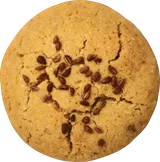
Wholeway is set to come
The superfood company.
Wholeway is a new-age food brand founded by health-conscious, quality-driven food enthusiasts committed to creating everyday foods that are nutrient-dense, responsibly sourced, and made without shortcuts. We believe better food choices should be simple, accessible, and trustworthy.
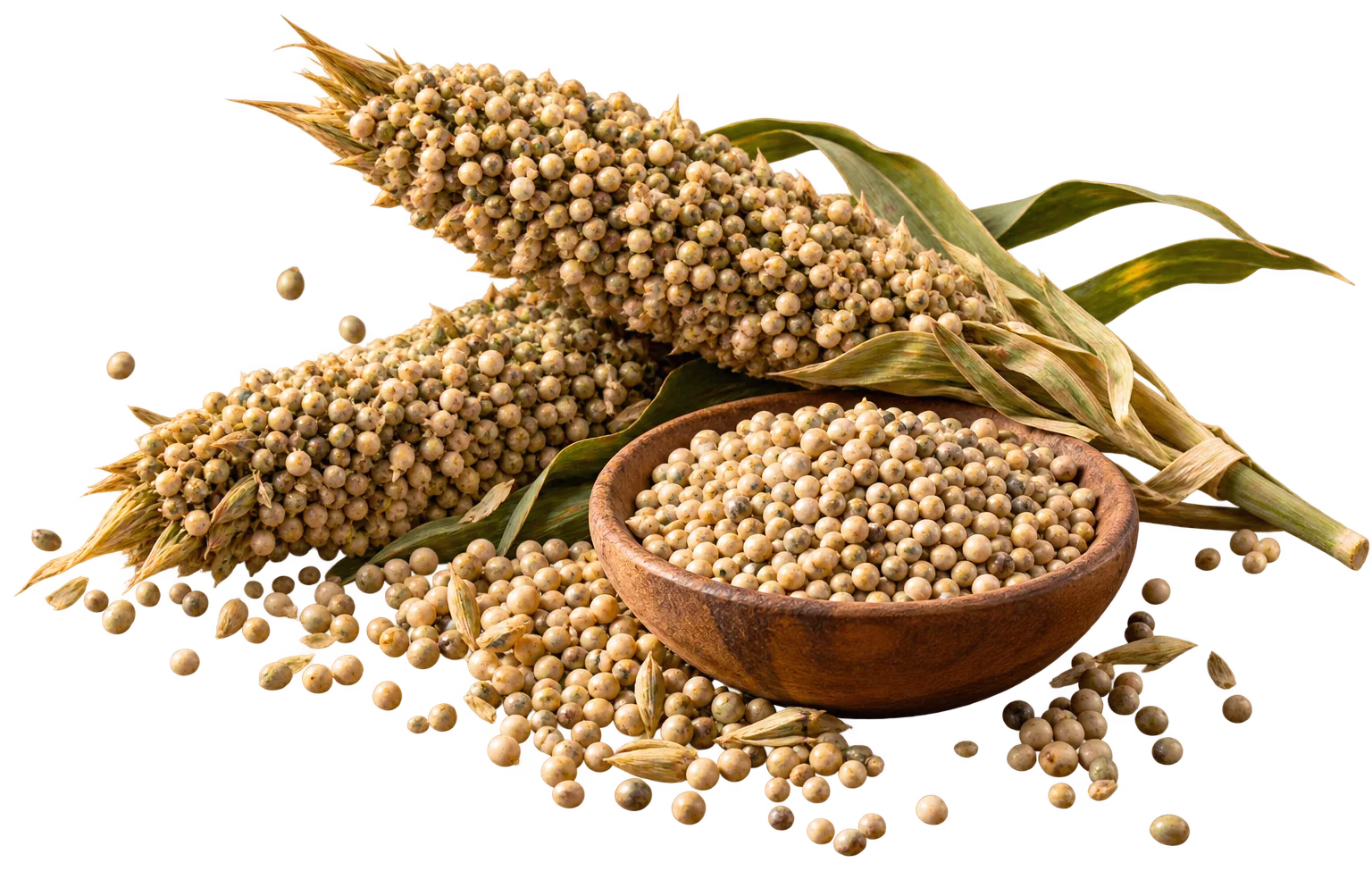
So people adjusted. Like they always do.
Wholeway® didn’t start with a big plan to change habits. We were just curious what would happen if we made food the simpler, older way again. No fixing people. No rules. No pretending we know better than the body. Just food that makes sense.
Turns out, when food is done right, most of the problems disappear on their own. That’s basically the whole idea behind Wholeway®.
“Wholeway cookies remind me of the kind of snacks my grandmother would make—comforting, simple, and so honestly made.”
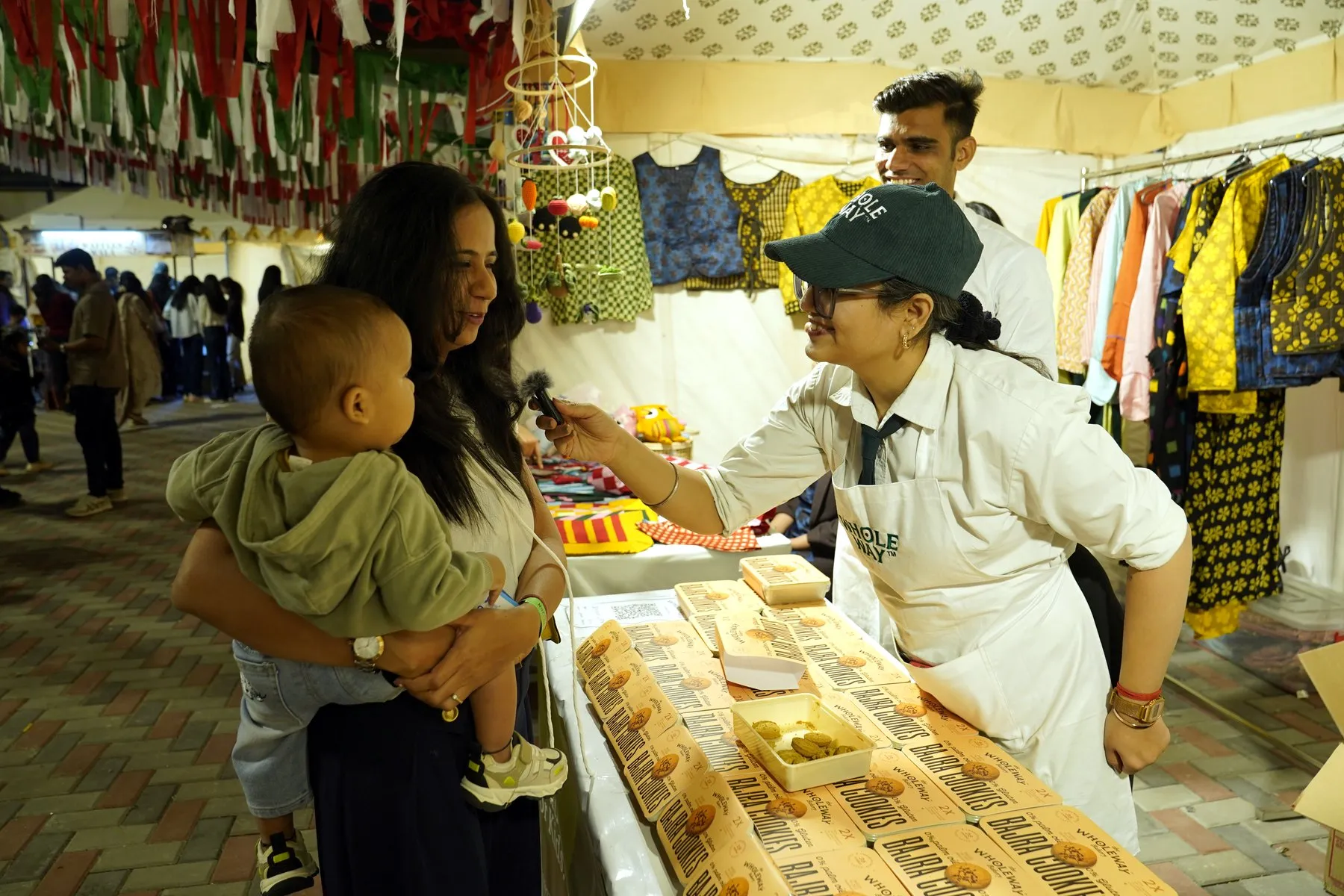
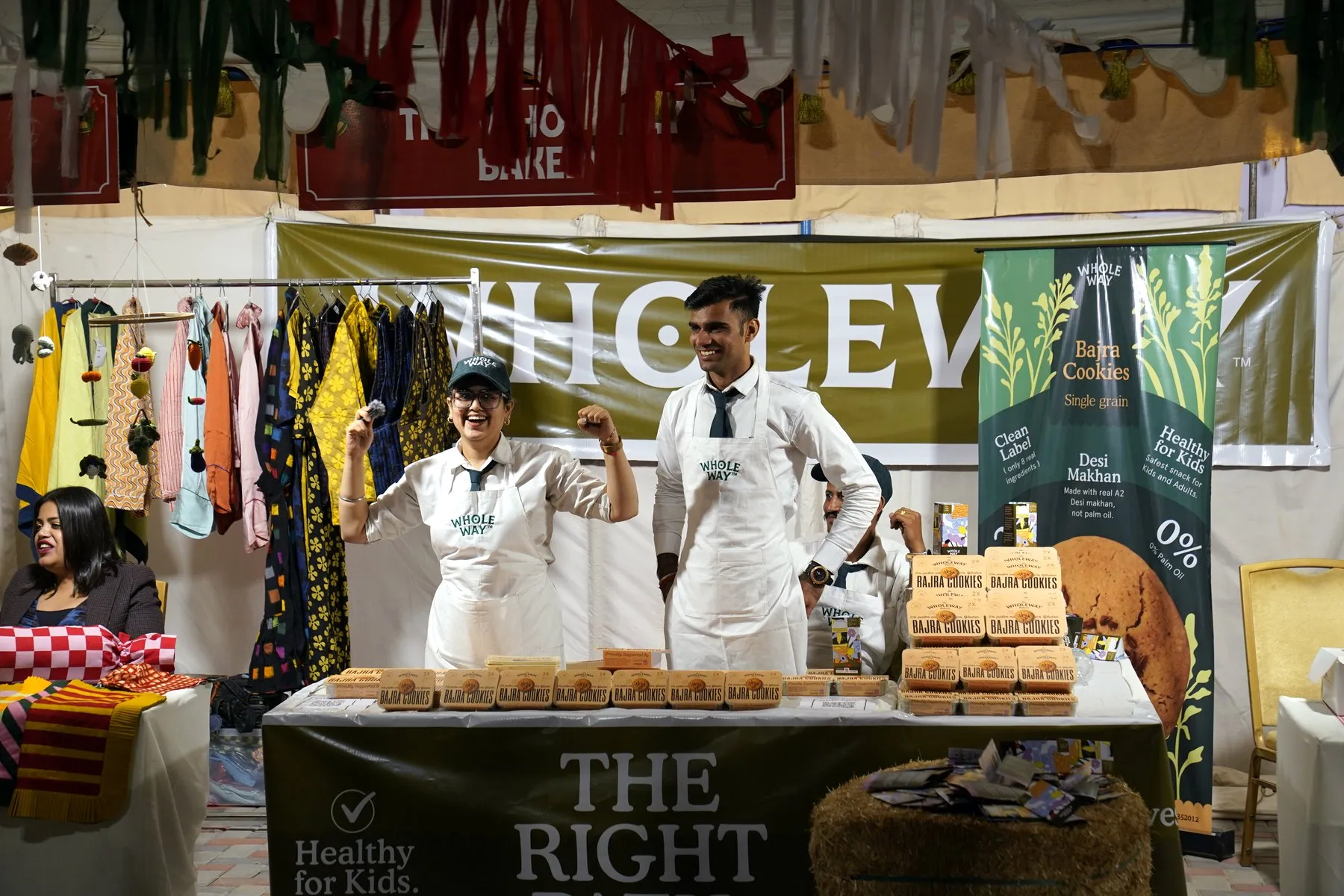
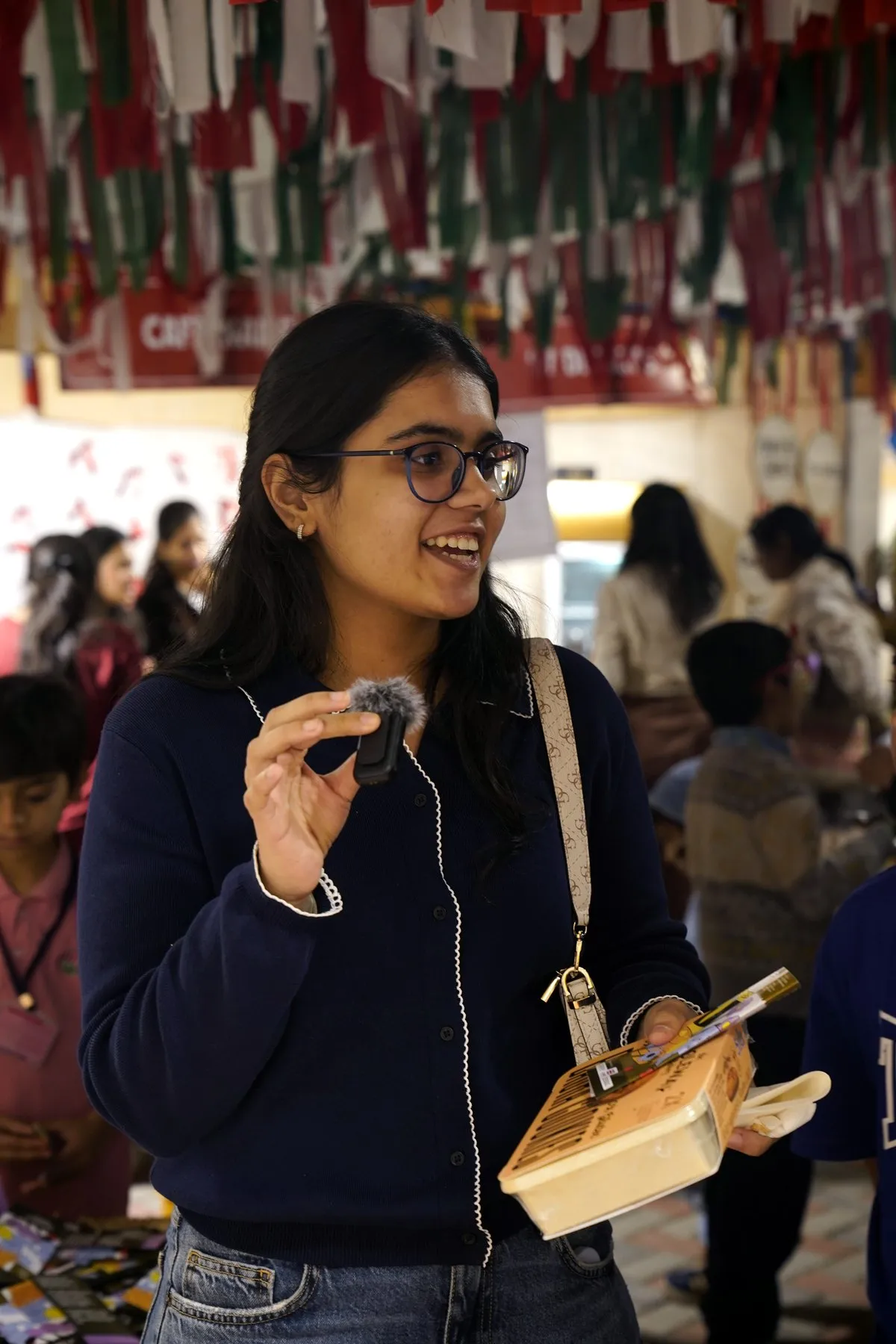
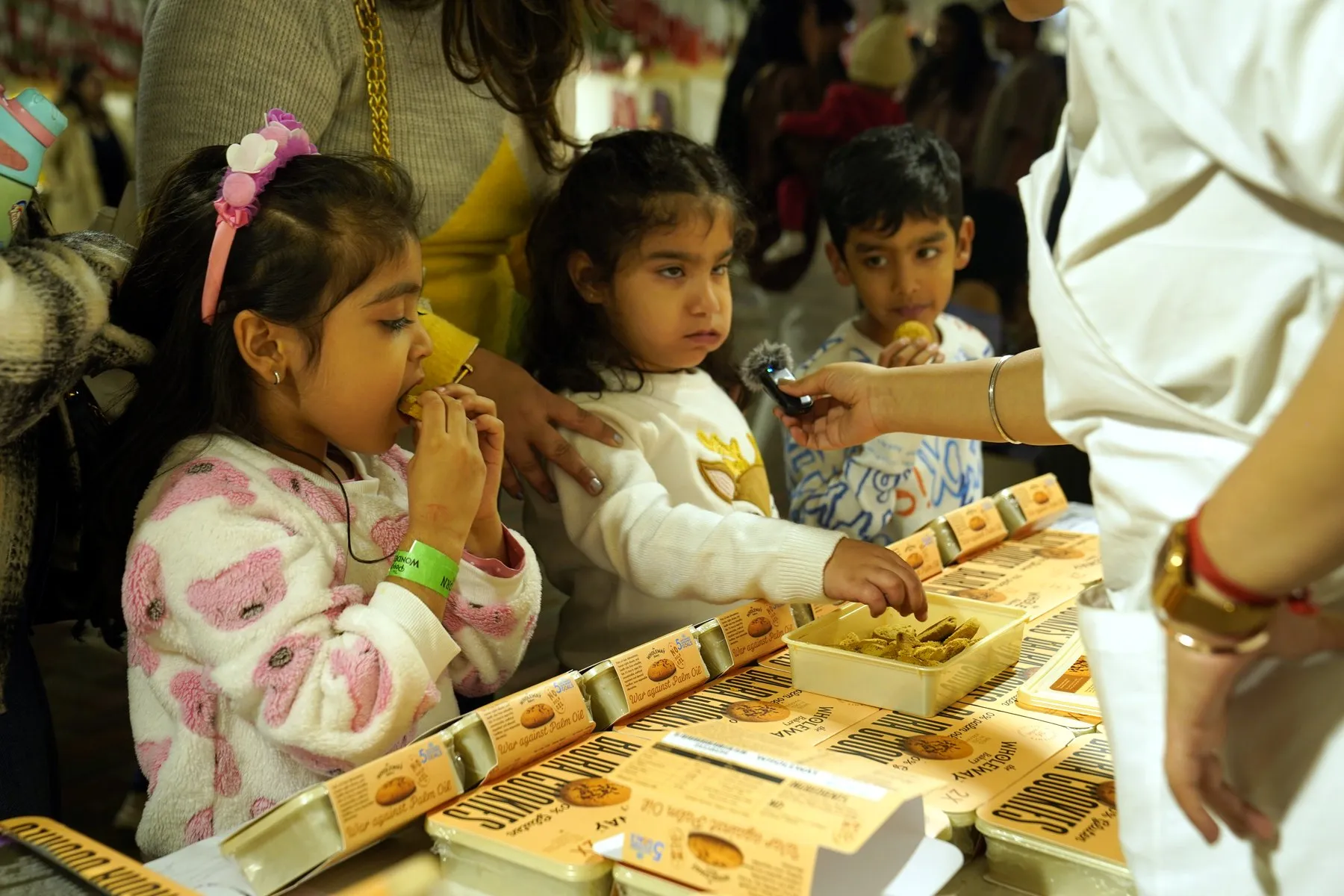
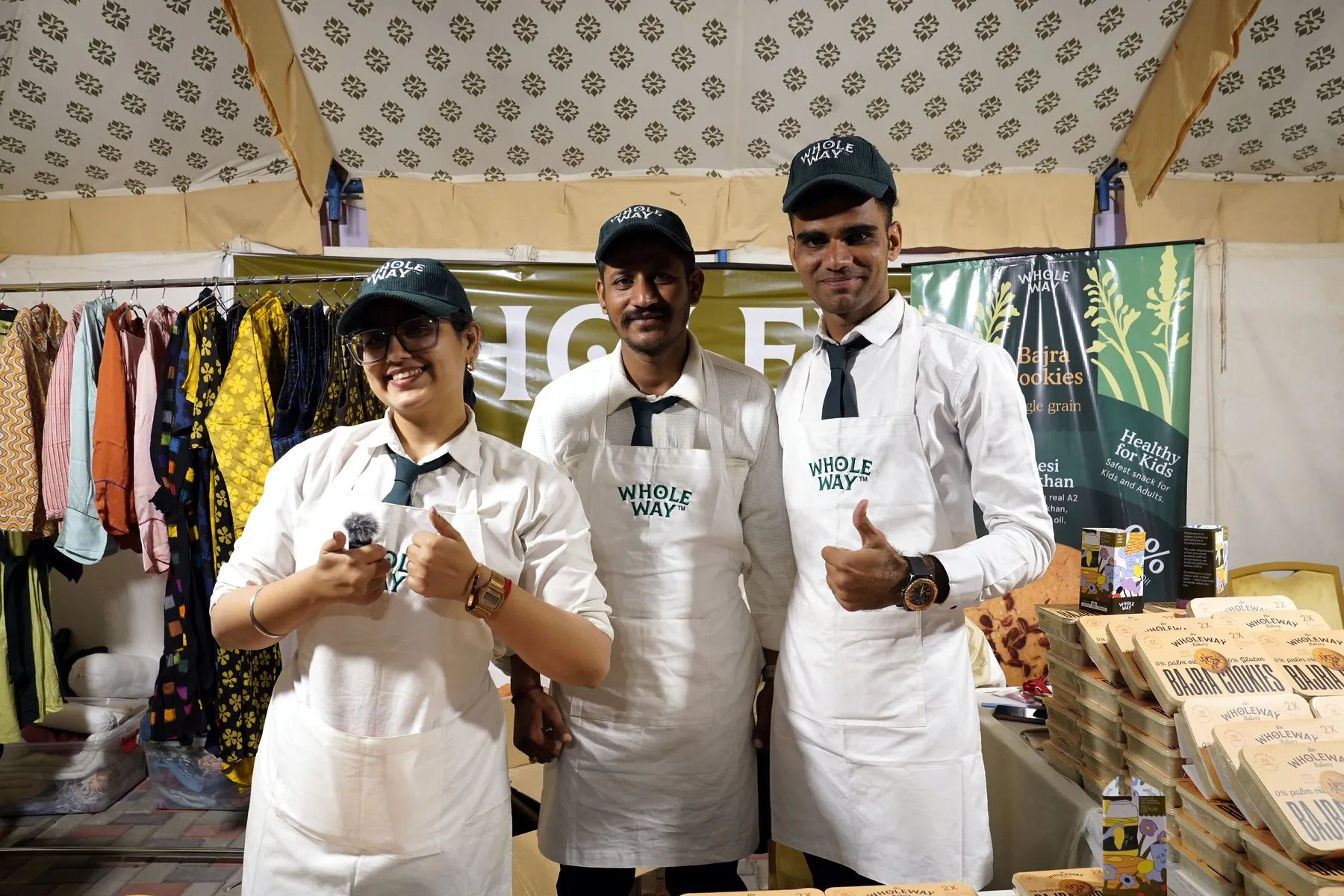
From land to production.
Our farming network is built on the belief that farmers should be at the center of every food decision. By working closely with responsible dairy farmers and producers, we help strengthen local livelihoods while ensuring transparency, quality, and care at every step of the Wholeway journey.
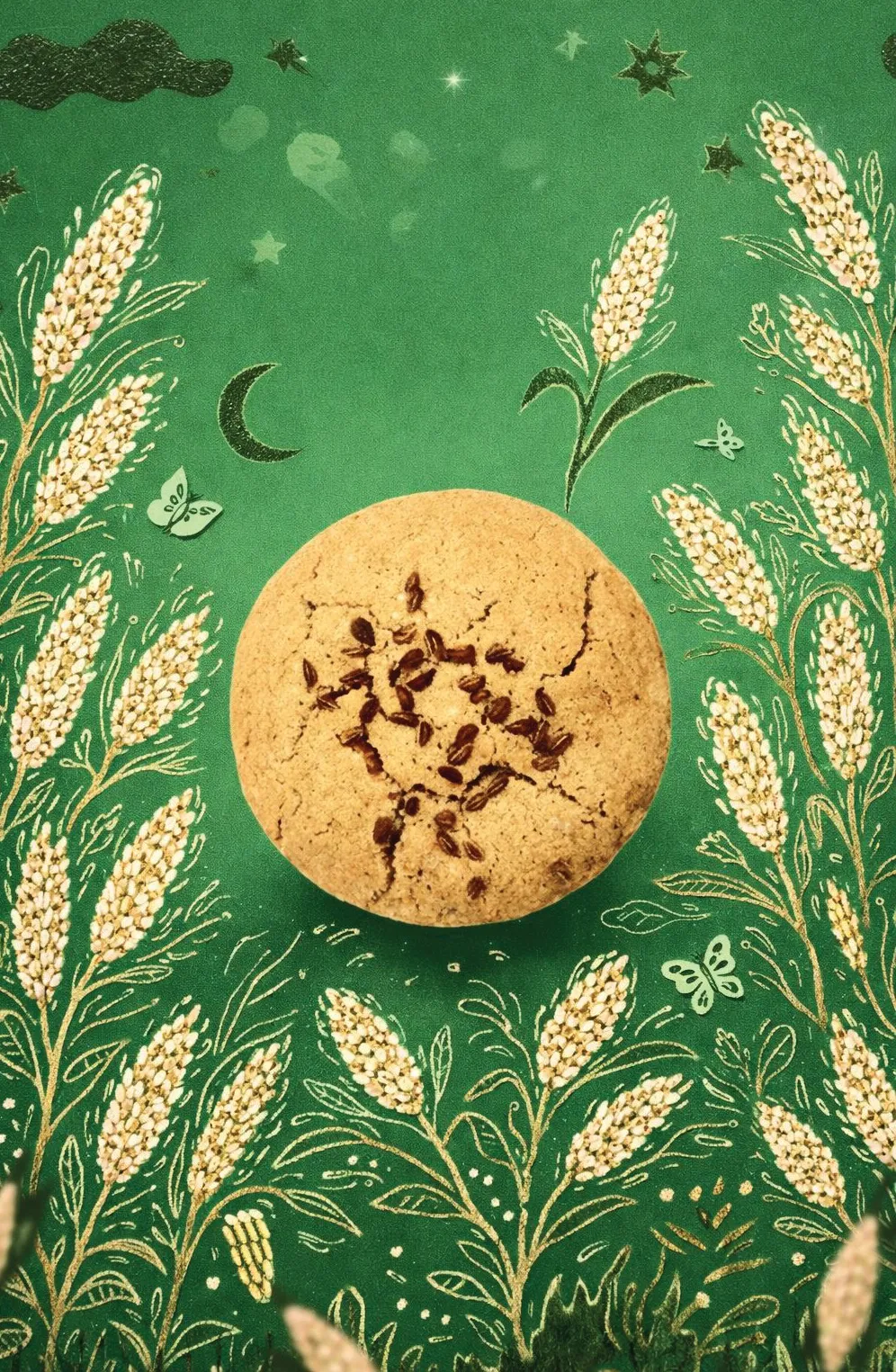
Simply by sticking to our 3 pillars.
- Make better food mainstream.We believe better food shouldn’t feel niche, expensive, or hard to find. If something is genuinely better, it should fit into everyday life and be available to more people, not fewer. Our goal is to make better food part of the regular routine, not a special occasion or a conscious effort.
- Start with food, then fix the system around it.Everything begins with the food itself. Once that’s right, we work backwards—how it’s sourced, how it’s made, how it’s packed, and how it reaches people. Instead of forcing food to fit broken systems, we adjust the system to support better food.
- Use business as a social tool.Growth comes with responsibility. As we scale, we pay attention to the impact we create—on people, resources, and the environment. Business isn’t separate from society; it shapes it. We treat growth as a way to improve the larger system, not just expand within it.